Guides / Materials
Aluminum Plate for Semiconductor Parts in Vietnam: Local Stock or Imported
November 3, 2026
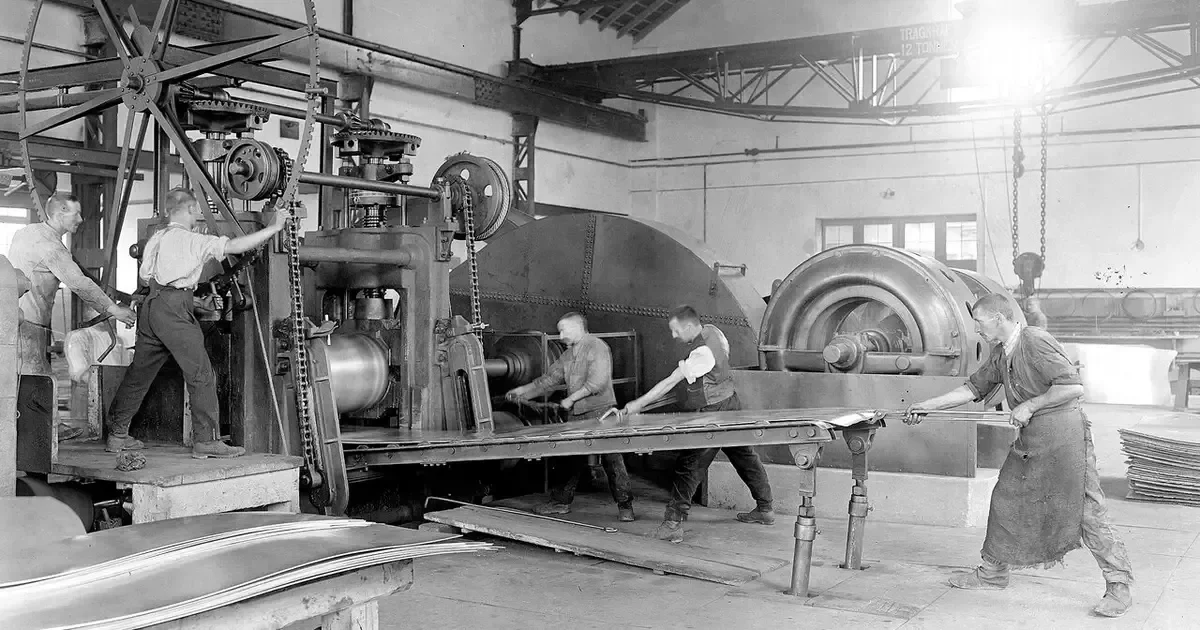
On the public evidence, “local stock” of aluminum plate in Vietnam is most likely imported plate that a trader or the shop itself holds on a rack. Trade statistics show a country with large imports of flat-rolled aluminum, and we found no public list of plate rolling capacity or stockholders. For a buyer that turns the question from “local or imported” into three things to pin down: which form of plate, which mill, and whether it is in the building today.
What the trade data says and what it does not
The best public number we could open is a trade statistics table. It puts Vietnam’s imports of HS 7606, aluminum plates, sheets and strip over 0.2 mm thick, at about US$1.45 billion in 2022, or 26 percent of all aluminum imports that year. Total imports of the aluminum chapter (HS 76) were about US$5.49 billion. Across the whole chapter, China supplied 48 percent, Korea 11.7 percent, Malaysia 8.38 percent, India 6.91 percent and Australia 5.49 percent.
Read those numbers with care:
- HS 7606 includes thin sheet and strip, so it overstates plate. It shows that flat-rolled aluminum is an imported commodity here, not how much machining plate is imported.
- The origin shares are for the whole aluminum chapter, not for plate alone.
- Nothing in the data says what a given shop holds on its rack. No public register of stockholders or service centres exists that we could find.
The trade measures are narrower than many buyers assume. Vietnam’s trade remedies authority lists a case on aluminum from China limited to extruded bars, rods and shapes under HS 7604. Duties of 2.85 to 35.58 percent were continued on 23 September 2024 for five years. Plate falls under HS 7606, which that case does not list. That is the position as of October 2026. Trade measures change, so ask a customs broker before you plan around it.
Three forms a shop may call “stock”
The same alloy name can arrive in forms that behave differently once the part is unclamped. The drawing and the quote should name the form.
| Form | What it is | Where it fits | Watch for |
|---|---|---|---|
| Rolled plate, 6061-T651 | Rolled, solution treated, stretched to relieve stress, then aged. Sold to ASTM B209 or an equivalent | Chamber parts, brackets, most jig plates | Movement on thin or heavily pocketed parts; thickness tolerance is in the standard and the order |
| Cast tooling plate | Cast aluminum plate sold flat and stress relieved, under brand names such as MIC6 | Flat jig plates, fixture bases, vacuum plates | Lower strength and weldability; distributor catalogues list it as not heat treatable |
| Sawn blanks or blocks | A piece cut from either of the above | Small parts | The cut piece inherits the stress state of its parent plate; ask what it was cut from |
ASTM B209 covers aluminum and aluminum-alloy flat sheet, coiled sheet and plate, and states that plate in all alloys is supplied in mill finish only. The thickness tolerance tables sit in the standard and in the ordering data, so the number that governs is the one in your order, not a general figure.
For cast plate, one large distributor’s catalogue is a useful directional reference. It lists MIC6 sheet from 1/4 in to 4 in thick, with a thickness tolerance of plus or minus 0.127 mm (0.005 in). Its stated flatness tolerance is 0.38 mm (0.015 in) for the thinner plates and 0.127 mm for plates 3/4 in thick and above. It describes the material as stress relieved and “not as strong, corrosion resistant, or weldable” as cast 5083. These are one seller’s catalogue values, not a mill guarantee. Ask the shop for the mill datasheet for the plate it will actually use.
Why the form matters more than the origin
A plate that has been stretched or cast and stress relieved holds its shape when material is removed unevenly. A plate that has not been will bow, sometimes hours after the part leaves the machine. That is the cost story behind what drives the cost of a test jig and the reason aluminum alloys for semiconductor parts treat stress as the real material property.
Origin matters in a different way: traceability. A plate with a mill certificate tied to a lot can be checked. A plate with no paperwork cannot, whatever the country of origin. The certificate types and how to read them are in mill test certificates from Vietnam shops.
Six questions to put to the shop
- Is the plate in the building at my thickness, or ordered after the PO? This one answer moves the schedule by weeks. Where the weeks go on a machined part puts stocked material at hours and imported material at weeks.
- Which form is it? Rolled T651, cast tooling plate, or something else. Ask for the temper in writing.
- Which mill and which lot? You want a certificate tied to the lot the shop will cut, not a generic one for the alloy.
- How much stock does the quote assume? A full plate costs more than a sawn blank. If the shop must buy a full plate for one part, the material line should show it.
- Is a substitution allowed? 6082 is a common alternative to 6061 in some markets. Write “no substitution without written approval” on the drawing if the alloy matters to the process.
- When does the clock start? From the purchase order, or from the day the plate arrives. A Tet closure sits on top of either answer, as in Tet and machined part lead times.
Need a quote for this part? Get a quote
Three answers you may hear, and what each one means
| The shop says | What it can mean | What to ask next |
|---|---|---|
| “We have stock” | Plate of some thickness is on the rack, not necessarily yours | The exact thickness, the form and the lot certificate on file |
| “A local supplier delivers it” | A trader holds it and the shop buys per job | Which trader, whether the trader’s plate carries a mill certificate |
| “We will import it” | A mill order or a trader import after your PO | The quoted weeks from PO or from arrival, and the date the order is placed |
None of these is wrong. Each one sets the schedule, so each one belongs in the quote. The first answer is only as good as the second question: a rack of 25 mm plate does not help a part that needs 40 mm.
What to write on the RFQ
State the alloy and temper, the plate form if flatness matters, the certificate you require and whether free-state flatness or flatness after clamping is the requirement. Reading a machining quote shows where a material line should appear and what to question when it does not. A repeat order can reprice when the material moved, which is covered in price changes between orders.
The plate form is one of the choices in our guide to semiconductor tooling materials.
If you have a plate part and want it quoted by shops that name their material form and lot, send the RFQ with the alloy, temper and flatness requirement in it. We come back within 24 business hours with a quote or a plain no. How shops are screened is on how an order runs.
Sources
- Trendeconomy, Vietnam annual trade statistics for HS 76, aluminum (2022 imports, HS 7606 and partner shares)
- Vietnam trade remedies authority, case AD05: anti-dumping measures on aluminum bars, rods and shapes from China (HS 7604, sunset review outcome of 23 September 2024)
- ASTM B209-14, Standard Specification for Aluminum and Aluminum-Alloy Sheet and Plate (scope)
- Wikipedia, 6061 aluminium alloy (T6 and T651 tempers, composition)
- McMaster-Carr, MIC6 cast aluminum plate catalogue (commercial, directional values for tolerance and flatness)
Frequently asked questions
Is aluminum plate made in Vietnam?
We found no public list of plate rolling capacity in Vietnam. Trade statistics show large imports of flat-rolled aluminum, about US$1.45 billion in 2022 for the whole sheet, plate and strip heading. Treat plate in a Vietnamese shop as imported material, held in stock by a trader or by the shop, until the shop names a mill.
Does Vietnam have an anti-dumping duty on aluminum plate?
Not that we could find. The case published by Vietnam's trade remedies authority covers extruded aluminum bars, rods and shapes from China under HS 7604, with duties continued in September 2024 for five years. Plate sits under HS 7606, which that case does not list. Trade measures change, so confirm with a customs broker before you rely on this.
What does 6061-T651 mean on a drawing?
It is 6061 aluminum that was solution heat treated, stress relieved by stretching and then artificially aged. The stretching step is what separates T651 from plain T6. For flat plates it is the usual starting point, because less locked-in stress means less movement after machining.
Does stocked plate shorten lead time?
Yes, in the material line only. The lead time guide on this site puts stocked material at hours and imported material at weeks. A shop with the right thickness on the rack starts cutting this week. A shop that must order it starts after the plate arrives, and the quote should say which.
Need a quote for this part?
Send the drawing. We quote the finished parts, place the work with a partner shop in Vietnam and reply within 24 business hours.
Get a quoteMore on materials
- Cleaning Agents Against Fixture Materials: IPA, Acetone, Alkaline Flux Removers and Plasma
- RoHS, REACH and Halogen-Free Declarations for Jig and Fixture Materials: What a Shop Can Sign and What It Cannot
- Materials for Semiconductor Tooling: Pick the Metal, Plastic and Finish, Write the Callout, Prove It on Receipt
- Thermal Expansion of Fixture Materials: Aluminum, Steel, Laminates and Plastics Against Silicon
All guides and the sourcing glossary.