Semiconductor Parts and Jigs Made in Vietnam
Send your drawing. We quote the finished parts, place the work with a partner shop in Vietnam that already runs precision parts, jigs and fixtures for semiconductor lines, and follow it to delivery. Reply within 24 business hours.
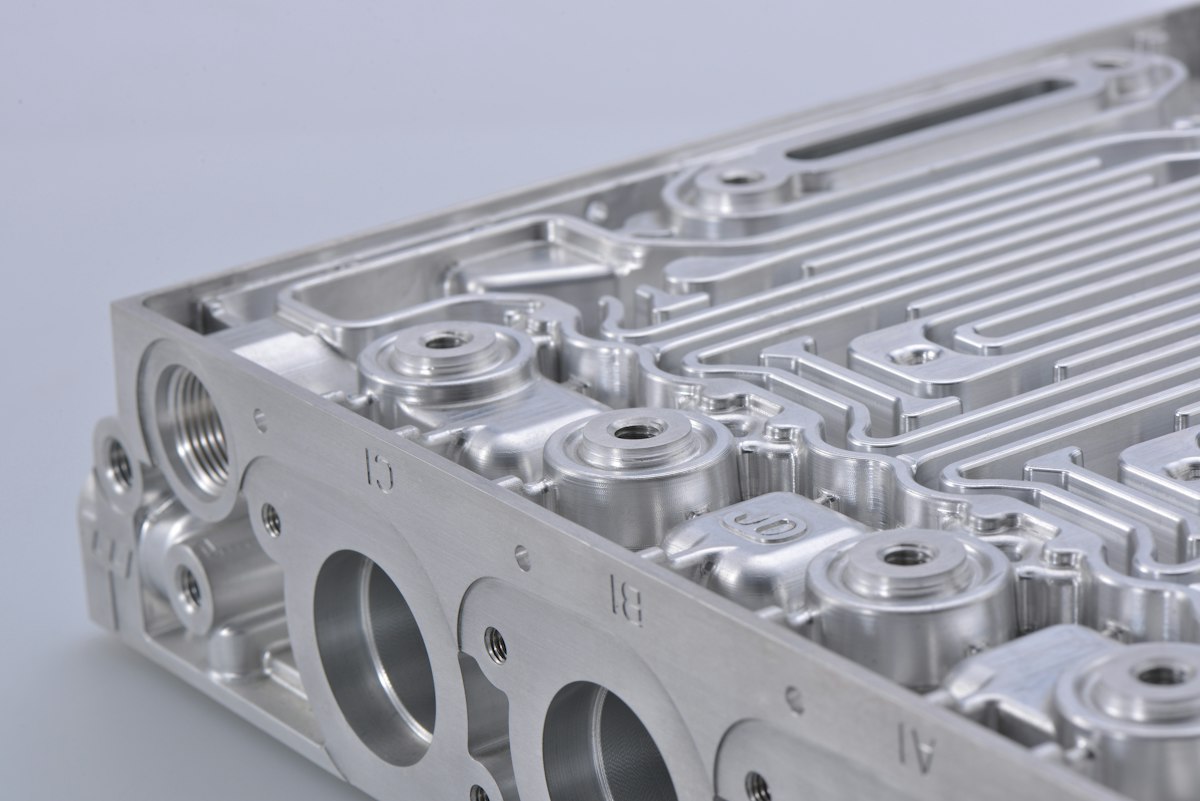
Why buyers send semiconductor work here
One quote, one contact and a shop that fits your part.
One quote, one contact
You send one drawing and get one itemised quote for the finished parts. One purchase order, one invoice, one person to ask.
Partner shops that fit
We place the work with a shop that makes semiconductor parts and jigs regularly, picked for your part family, material, tolerance and cleanliness needs. Not a general directory.
An engineer on every order
An engineer follows the run, you get a progress update every week and the parts are inspected before packing.
Is your part a semiconductor part or just a precision part?
The machining is often the easy half. What separates the two is cleaning, packing, finish control and the paperwork that travels with the part. Tick what applies to yours.
Parts buyers send us
- End effectors and wafer blades
- Load port and EFEM brackets
- Vacuum chamber parts and flanges
- Gas line brackets and manifolds
- Test, burn-in and probe jig plates
- Die attach and wire bond fixtures
- Handler and sorter change parts
- Equipment frames and weldments
Vietnam has a deep bench of shops serving electronics assembly, and a much thinner one for vacuum, plasma and cleanroom hardware. We tell those two groups apart before your drawing goes out and place the part with the right one.
Equipment parts or line parts?
Both are called semiconductor parts and they buy very differently. Saying which one you are in the RFQ changes the partner shop we place it with.
Equipment and chamber parts
Hardware for the tool itself, ordered by equipment makers and their subcontractors.
- Low quantity, high documentation, long qualification
- Vacuum, plasma and process chemistry decide the material and the finish
- Electropolish, hard anodize and passivation are usually mandatory
- Fewer shops in Vietnam can take this work today
Assembly and test line parts
Jigs, fixtures and change parts for assembly and test floors, including OSAT plants.
- Repeat orders on a fixed drawing, often on a short deadline
- Delivery and price consistency matter as much as tolerance
- ESD handling, marking and lot control come up more than vacuum specs
- Many shops here already run this work for electronics plants
Materials and tolerances
What to expect when a shop here makes each material. These are typical ranges seen on this kind of work, not promises. The quote confirms what the shop holds on your geometry.
| Material | What changes | Typical tolerance |
|---|---|---|
| Aluminum 6061 / 7075 | The workhorse for brackets, jig plates and EFEM hardware. Usually anodized clear or hard coat for cleanroom use. | ±0.01 to ±0.025 mm is common |
| Stainless 304 / 316L | Chamber hardware, flanges and anything wet. Passivated after machining, electropolished when particles matter. | ±0.01 to ±0.025 mm is common |
| Titanium Grade 2 / Grade 5 | Thermal hardware and parts where stainless is too heavy or reacts. Needs rigid setups and slow cuts. | ±0.015 mm is a safer target |
| PEEK, PTFE, POM | Insulators, liners and soft contact parts. Plastics move with heat and moisture, so the fixture decides the result. | ±0.05 mm is realistic for most plastics |
| Alumina and quartz | Ground or lapped, not milled. Very few shops here take it, so expect a longer lead time and a longer quote. | Quote case by case |
| Tool steel and hardened parts | Wear parts on handlers and change kits. Machined soft, then heat treated and ground. | Depends on the heat treat sequence |
JIS, ASTM and EN names side by side, with what is usually stocked here: materials. What shops run in house and what they buy in: processes.
Part families we supply
Name the family in your RFQ. It tells us more about the right shop than the drawing number does.
Wafer handling
End effectors, blades, carriers and lift pins. Burrs and particle generation matter more than speed.
Chamber and vacuum
Housings, flanges, electrode holders and gas distribution parts. Leak tight bores and clean internal surfaces.
Test and assembly jigs
Probe and burn-in plates, die attach and wire bond fixtures, sockets carriers for OSAT lines.
EFEM and front end
Load port hardware, sensor mounts and alignment fixtures in anodized aluminum.
Frames and weldments
Machine bases, covers and cabinets. Large, welded, stress relieved and then finish machined.
Spares and change parts
Repeat wear parts for handlers, sorters and molding presses, usually reordered on a fixed drawing.
How it works
One RFQ from you, one quote from us. Partner shops cut the parts and an engineer follows every order.
Send your RFQ
Upload a STEP file or PDF drawing and tell us material, quantity, tolerance, finish and packing. Takes about three minutes.
We read it and quote the finished parts
We read the drawing, flag anything that will fight the process and send one itemised quote. You hear from us within 24 business hours.
Made, inspected and shipped
We place the work with a partner shop whose machines, finishing and paperwork fit. An engineer follows the run, you get a progress update every week and we inspect the parts before packing. One contact, one purchase order, one invoice.
What drives the price
Five things decide most quotes on this kind of part. Two of them are usually written on your drawing and can be changed before you send it.
- Setup and programmingPaid once per order. On a jig plate or a one piece fixture it is most of the price.
- Finish and post processHard anodize, electropolish, passivation and plating are usually bought outside the shop. They add cost and days.
- Cleanliness and packingCleanroom cleaning, double bagging and a packing note are labour and consumables, not a free extra.
- Tolerance and inspectionA CMM report on every piece costs more than a first article plus sampling. Ask for what you will actually read.
- Quantity and repeatSetup spreads over the lot. A stated repeat schedule usually gets a better price than the same quantity ordered one lot at a time.
Have a drawing ready?
Send the short version now. We will ask for anything missing. If you prefer to give full details up front, use the full RFQ form.
Your files go only to the partner shops we ask to price the part. Ask for an NDA and nothing is shared until it is signed.
Run a shop in Vietnam? Get work that fits your machines.
We are your customer: you quote us for each work request and we place the purchase order. No fee to join and no charge per request.
Work with the part in front of you
Free working documents, no email address asked for. They are the same ones we use when reading an RFQ.
RFQ template
Every line a shop needs, with the eight buyers usually leave out marked.
Drawing checklist
Fourteen checks before a drawing goes out to quote. Runs in your browser.
Sourcing glossary
66 terms defined for the buyer rather than the process engineer.
Vietnam clusters
Where capacity sits, and what the region actually changes about your part.
How an order runs
From RFQ to delivery in five steps, the shop criteria, and when we say no.
About this site
Who runs it, how the price is set and what it will not do.
Questions buyers ask
Something else? Email .
Who machines my parts?
We sell you the finished parts. Your parts are cut by partner shops in Vietnam, each one checked for the machines, finishing and paperwork the part needs. We take the order, read the drawing before the work is placed, follow the run and inspect the parts before they are packed. You deal with one contact and one invoice, and we answer for the parts.
How is the price set?
You get one itemised quote from us for the finished parts, covering material, machining, finish, inspection, packing and freight. That is the price. There is no separate service fee and nothing to pay before you accept the quote. Payment terms are confirmed on your quote.
Who sees my drawing?
Partner shops first see a short work request with part family, material, size, quantity, tolerance and finish. It carries no name, company or files. Your drawing goes only to the partner shops we ask to price the part, up to 3, and your contact details stay with us. If you ask for an NDA, files stay with us until it is signed.
Can shops in Vietnam handle cleanroom and vacuum parts?
Some can and most cannot. The difference is not the milling, it is deburring, cleaning, packing and the paperwork that travels with the part. We ask for that evidence when a shop joins the network, and we place the work on it.
What should I send with the RFQ?
A STEP file plus a PDF drawing with tolerances, surface finish, finish type and any cleanliness or packing requirement. Say whether you need a first article inspection report and material certificates. Parts fail on those two more often than on machining.
How long does a quote take?
We reply within 24 business hours with one itemised quote or a clear next step, or with a plain no if the part is outside what the shops here do. A part that needs an outside finish or imported material can take a few business days longer to price.
Guides for semiconductor buyers
- Choosing a Supplier
Sourcing Semiconductor Parts in Vietnam: What to Check Before You Send a Drawing
A checklist for buyers qualifying Vietnam machine shops for semiconductor parts, jigs and fixtures: capability, finishing chain, inspection, packing and export.
- Process
What Cleanroom Machining Actually Requires
Cleanroom machining is a process chain, not a room. What changes in deburring, cleaning, finishing and packing when a part goes into a fab or a test line.
- Choosing a Supplier
What to Put in an RFQ so the Quotes Are Comparable
The files, specs and terms that make machining quotes comparable, the eight things buyers leave out most often and how each omission moves the price you get.
- Choosing a Supplier
How to Check a Vietnam Shop's Real Capacity and Backlog
A machine list does not tell you when your jig ships. Ask for available hours, open order hours and the bottleneck, then turn them into weeks of backlog.
- Materials
Cleaning Agents Against Fixture Materials: IPA, Acetone, Alkaline Flux Removers and Plasma
Which fixture plastics, laminates and anodized aluminum survive IPA, acetone, alkaline flux removers and plasma, from maker tables, with the gaps we found.
- Process
JEDEC Matrix Trays and Custom Carrier Trays: When Machined Replaces Molded
What a JEDEC matrix tray fixes for a buyer, which features a machined carrier must copy and how to cite the JEDEC reference in an RFQ. Unread texts are marked.
- Choosing a Supplier
Weekly Progress Reports From a Vietnam Jig Shop: What a Useful One Contains
A weekly progress report template for semiconductor jig orders from a Vietnam shop: status against agreed dates, open queries, finishing steps, an example.
- Choosing a Supplier
Reading the Job Board in a Vietnam Jig Shop: Visual Management Signs a Buyer Can Check
How an OSAT or equipment buyer reads a jig shop's job board, andon flags and hold areas as proof that orders are scheduled and problems are raised the same day.
- Choosing a Supplier
Moving an Existing Jig Program to a Vietnam Machine Shop
How to move running jigs and spares to a Vietnam shop without a gap in deliveries: what to hand over, how to run both shops in parallel and when to cut over.